01 · RADAR
Watch the visitors move
Explore an Earth-centred radar, zoom through planetary scenery and select real visitors as they pass.
Rockimals transforms NASA’s near-Earth asteroid data into an interactive space zoo for children. Every animal represents a real object in space, with its size, speed and journey turned into something young explorers can see, understand and play with.
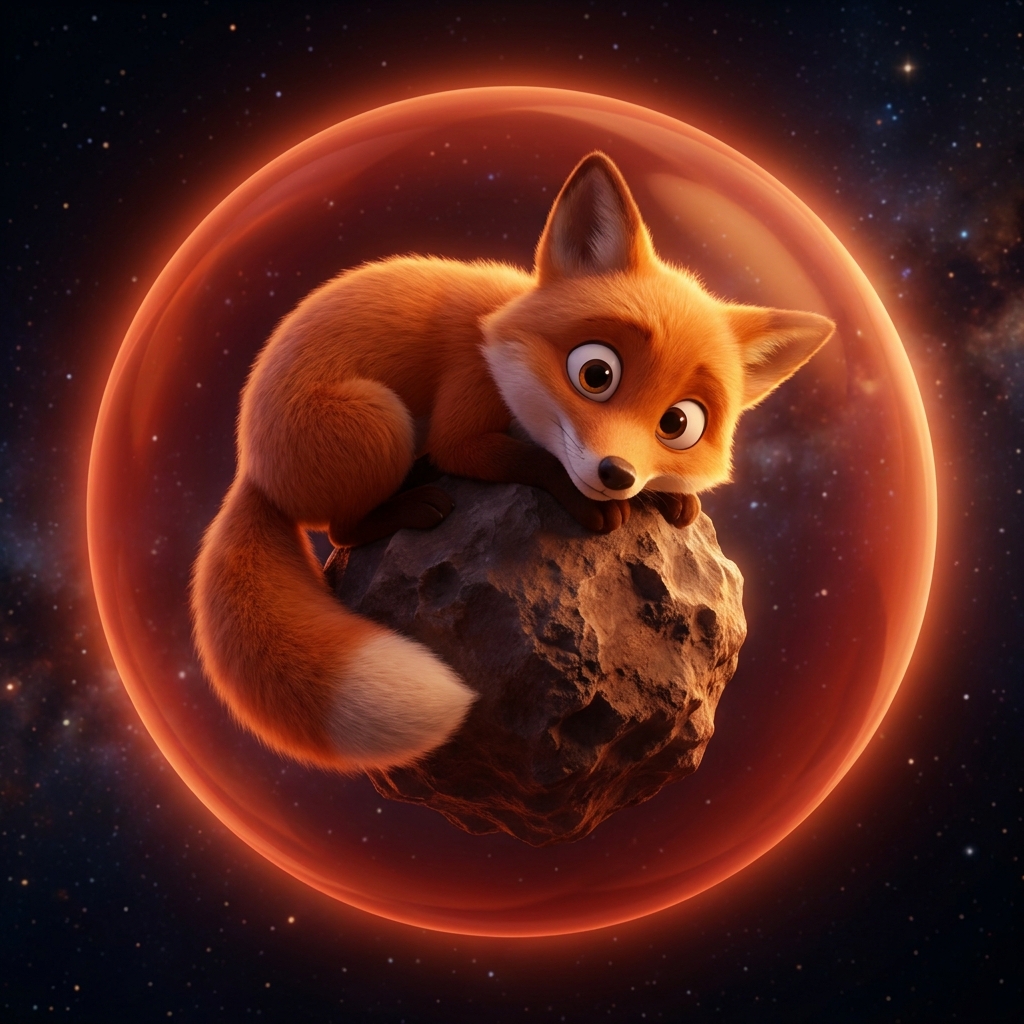
Most space data begins with unfamiliar names, enormous numbers and distances that are difficult to imagine. Rockimals presents the same science through friendly characters, visual comparisons and short interactive games.
A small asteroid might appear as a Mouse. A larger one could become a Fox, Bear, Elephant, Dino or Whale. Its real size, speed and distance shape the character, its place on the radar and the games it appears in.
Rockimals does not replace NASA data with fictional values. It gives children a friendlier way to meet authentic information and keeps the official designation available in a grown-up section.
The current observation window shapes the radar, animal profiles, challenges and collections.
Explore an Earth-centred radar, zoom through planetary scenery and select real visitors as they pass.
See estimated width, speed, distance, power score and a familiar visual size comparison.
Bring every current visitor together and sort by closest, biggest or fastest, with a close-flyby filter.
Follow favourite animals, earn points, build streaks and unlock nine achievement badges.
NASA’s NeoWs service provides near-Earth asteroid information for the current observation window.
Estimated diameter determines the species, while the same asteroid always receives the same species and name.
Moon-relative distances, familiar sizes and friendly language power a changing set of games and challenges.
Short, replayable activities build an intuitive feel for size, distance, speed, memory and comparison.
Arrange today’s space animals from strongest to weakest.
Choose which of two animals has more power and build a streak.
Predict which animal passes nearer to Earth.
Match a space rock with the animal created by its real size.
Complete a three-part mission using the current NASA data.
Follow science clues and locate the right animal on the radar.
Sort animals by their real Moon-relative flyby distances.
Capture animals moving at speeds inspired by real space data.
Build a stable tower with the largest animals at the bottom.
Remember space facts and reconnect the matching pairs.
Guide incoming space rocks safely past Earth in a gentle arcade challenge.
Correct answers bring points, sounds and playful reactions. Mistakes receive calm encouragement — never harsh buzzers or frightening language.
Each piece of source data has a clear role in the experience, without unnecessary jargon or alarming terminology.
Estimated diameter determines whether a visitor appears as a Mouse, Rabbit, Fox, Bear, Elephant, Dino or Whale.
Enormous kilometre values become understandable comparisons with the distance between Earth and the Moon.
Relative velocity influences the animal’s description and the pace of activities built around it.
Size, speed and proximity contribute to a playful score used across challenges and comparisons.
Rockimals removes the accounts, permissions and social features that a child-focused space experience does not need.
Children can explore without an email address, profile or cloud account.
No behavioural analytics, tracking, ad network or personal-data collection.
No location, camera, contacts or photo-library access is requested.
Points, badges, followed animals, streaks and settings stay on the device.
External NASA/JPL references and the optional purchase flow sit behind a grown-up check.
If NASA or the internet is unavailable, a bundled sample sky keeps the radar and games usable.
Rockimals includes settings that make its movement, controls and game choices more comfortable for different children and families.
Slows moving elements and reduces energetic reactions for children who prefer a quieter visual experience.
Provides larger controls and limits Play to the two simplest games: Power Duel and Closer or Farther.
Lets families choose between playful audio feedback and a quieter experience.
Generous touch targets, screen-reader labels and states communicated with text and symbols as well as colour.
Rockimals is in product testing and release preparation. It is planned as a free download; Earth Shield includes a short free trial and an optional, parent-gated one-time unlock.
Yes. The characters are playful, but the size, speed, distance and official asteroid information come from NASA’s Near Earth Object Web Service.
Yes. When live data is unavailable, a bundled sample sky keeps the radar and games usable.
No. There are no accounts, advertisements, tracking or personal-data collection. Game progress remains on the device.
Primarily children aged 6–8, though younger children can use Little Kids Mode and families can explore together.
Rockimals is built with Flutter for iOS and Android.
No. It is an independent DuniaOps product and is not affiliated with, endorsed by or sponsored by NASA.
It is planned as a free download. Earth Shield includes a short free trial and an optional one-time purchase for permanent access.
Store links and real app screenshots will be added when Rockimals is published.